Community Outreach, Education & Engagement
Building an Informed and Compassionate Muslim Community
Our workshops engage youth, campus groups, educators, healthcare and chaplaincy staff, and local leaders to foster understanding, knowledge, and inclusion. Through practical guidance, mentorship, and Islamic insight, we support communities in growing informed, thoughtful, and compassionate individuals who can contribute positively to society.
WORKSHOPS. CONSULTATION. COLLABORATION.
Workshops
Mentorship in Islam: Building Righteous Guides for a Stronger Ummah
Overview:
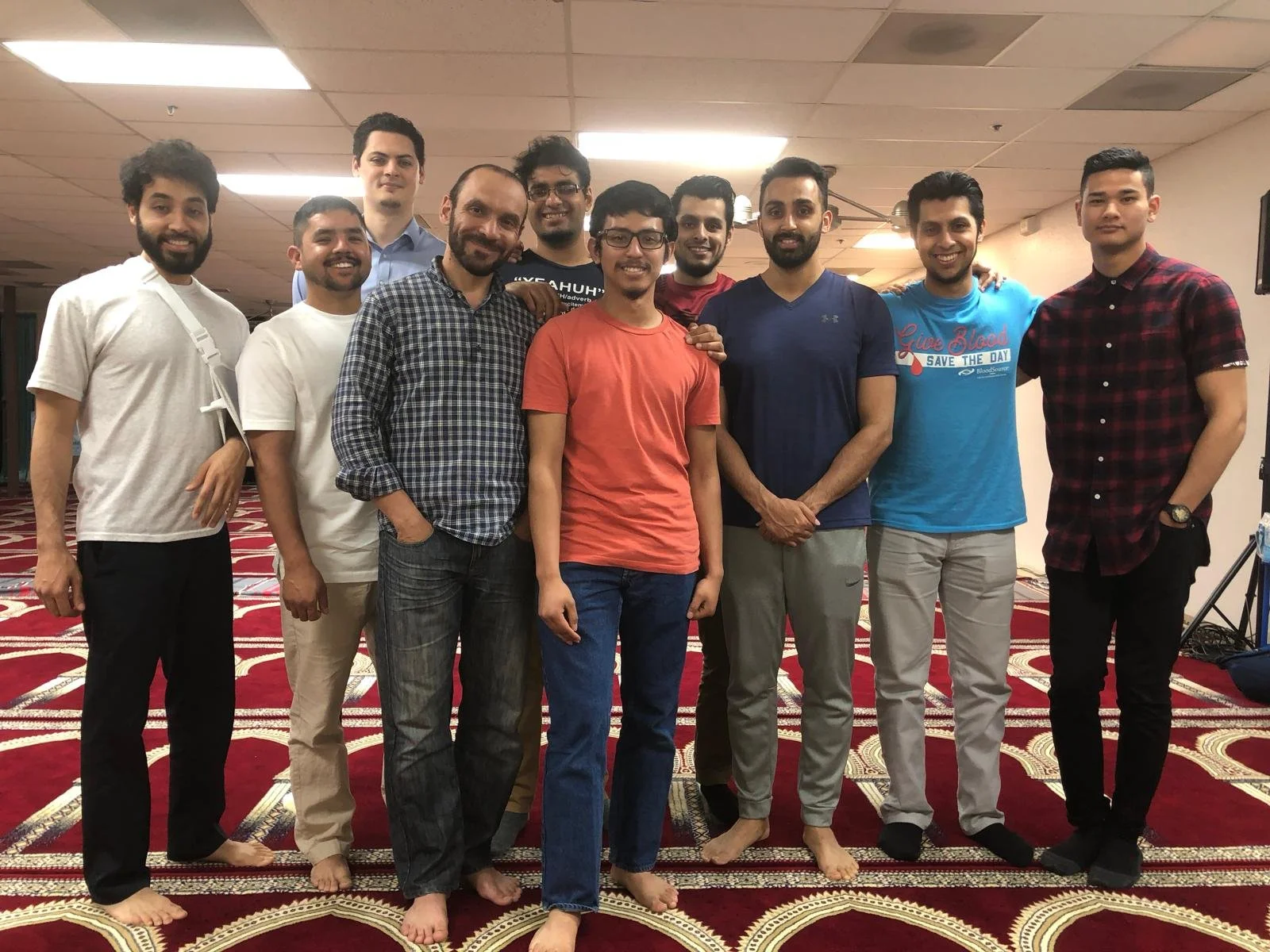
Grounded in Dr. Sherif’s doctoral research on nurturing American Muslim youth leadership, this workshop explores the essential role of qualified, righteous mentors in cultivating healthy individuals and resilient communities. As modern systems fail to provide moral or emotional grounding, mentorship becomes a necessary source of guidance, healing, and encouragement for our families. Participants learn how to identify, prepare, and support mentors who embody prophetic character and provide long-term spiritual companionship (ṣuhbah).
Objectives:
Understand the difference between a teacher, mentor, and big brother/sister role.
Explore the evolution of mentorship in our Islamic tradition and why it is indispensable today.
Learn the characteristics and qualities of an effective Islamic mentor.
Understand the expectations and boundaries of the mentor-mentee relationship.
Equip parents and community leaders to recognize, train, and support qualified mentors.
Offer a spiritual, emotional, and intellectual framework to cope with today’s moral and societal challenges.
Audience:
Youth • Parents • Community leaders • Educators • Men & women • Families (open to all)
Caring for Muslim Patients — A Guide for Chaplains & Healthcare Providers
Duration:
1 session • 2 hours (flexible for institutions)
Overview:
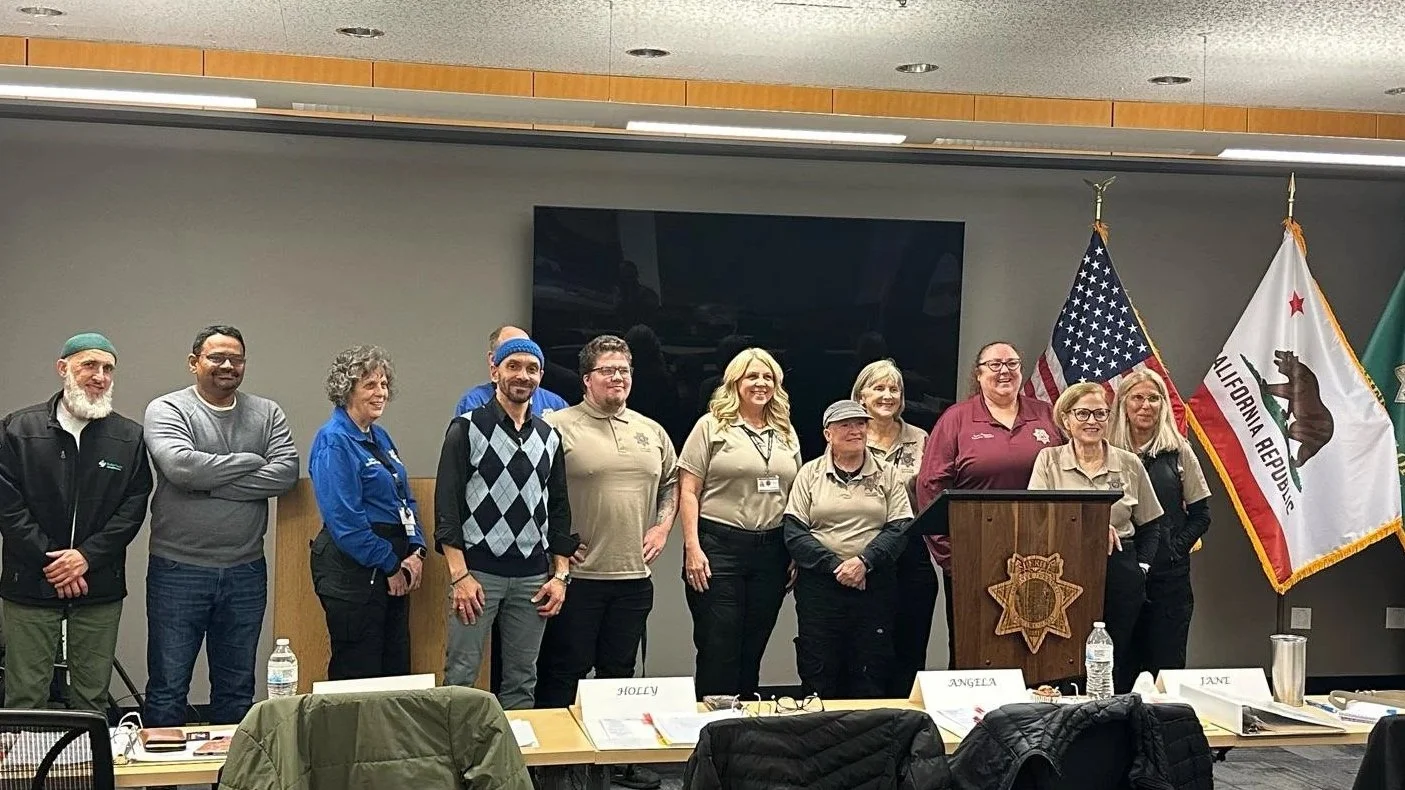
Delivered at UC Davis, Sutter, Kaiser, and to Placer County law enforcement chaplains, this training introduces professionals to the essential beliefs, practices, and cultural sensitivities of Muslim patients and families. With insights from Islamic belief and Islamic psychology, the workshop equips providers to deliver compassionate, well-informed, and respectful care across clinical, chaplaincy, and crisis-response settings.
Objectives:
Learn the foundations of Islamic belief, including the Six Articles of Faith.
Understand key concepts from Islamic psychology (heart, soul, intellect, spirit, body).
Recognize common suffering narratives: chaos, restitution, and quest.
Gain practical guidance on interacting with Muslim families with cultural and spiritual sensitivity.
Understand key Islamic burial practices and how to support families through grief.
Learn the Islamic perspective on suicide and appropriate chaplaincy responses.
Improve cultural competency and strengthen trust with Muslim patients.
Audience:
Chaplains • Hospital staff • Healthcare providers • Social workers • Crisis responders • Mental health professionals
Introduction to Islam — Foundations, Ethics, and Lived Practice
Duration:
1 session • 60–90 minutes (ideal for schools)
Overview:
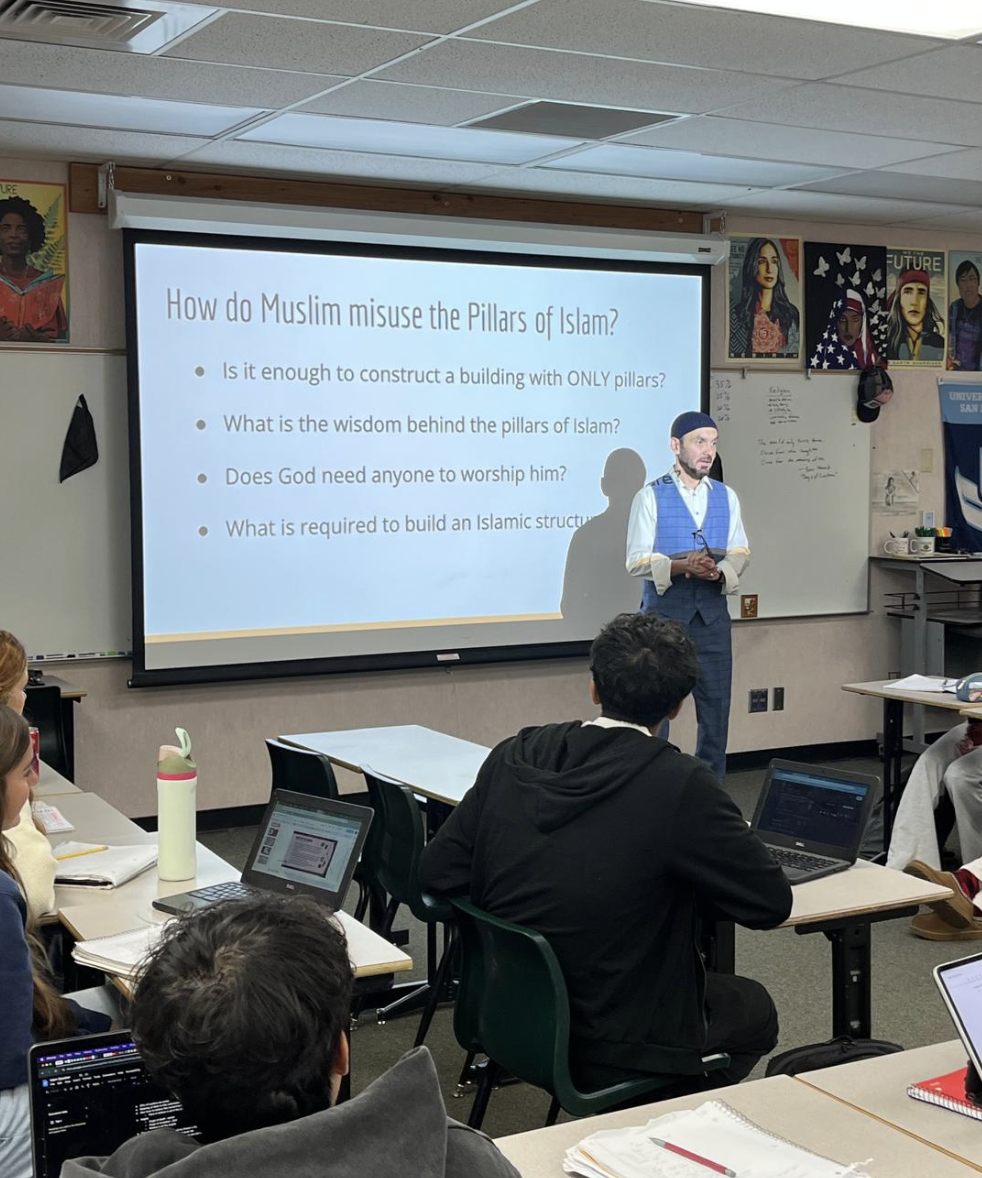
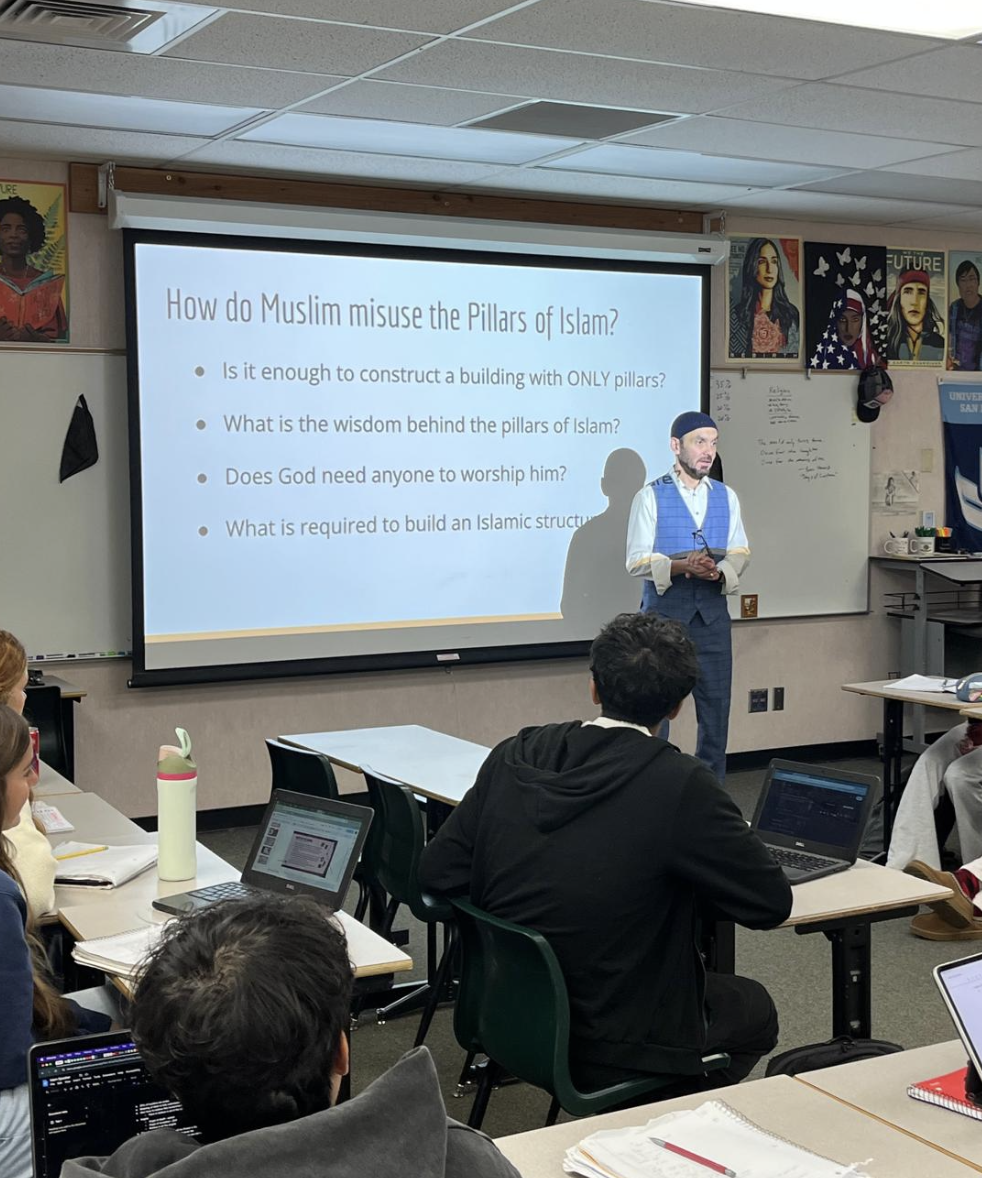
Presented at multiple high schools as part of world religions coursework, this workshop introduces students to the core beliefs and practices of Islam while clarifying common misconceptions. It provides a balanced and accessible explanation of faith, ethics, lifestyle, and the global reality of Muslims today.
Objectives:
Understand the Six Articles of Faith and the Five Pillars of Islam.
Clarify how Muslims practice and sometimes misunderstand these pillars.
Explore the relationship between belief, speech, and action.
Learn the Islamic concept of morality and why Islam is a practical, actionable way of life.
Distinguish between knowledge and action in Islamic teachings.
Gain demographic and cultural insight into Islam as a global, not ethnic, faith.
Audience:
Middle & high school students • Educators • Interfaith groups • Community programs
Rights of Children upon Their Parents: An Islamic Parenting Workshop
Duration: 1–2 sessions • 60–90 minutes
Overview:
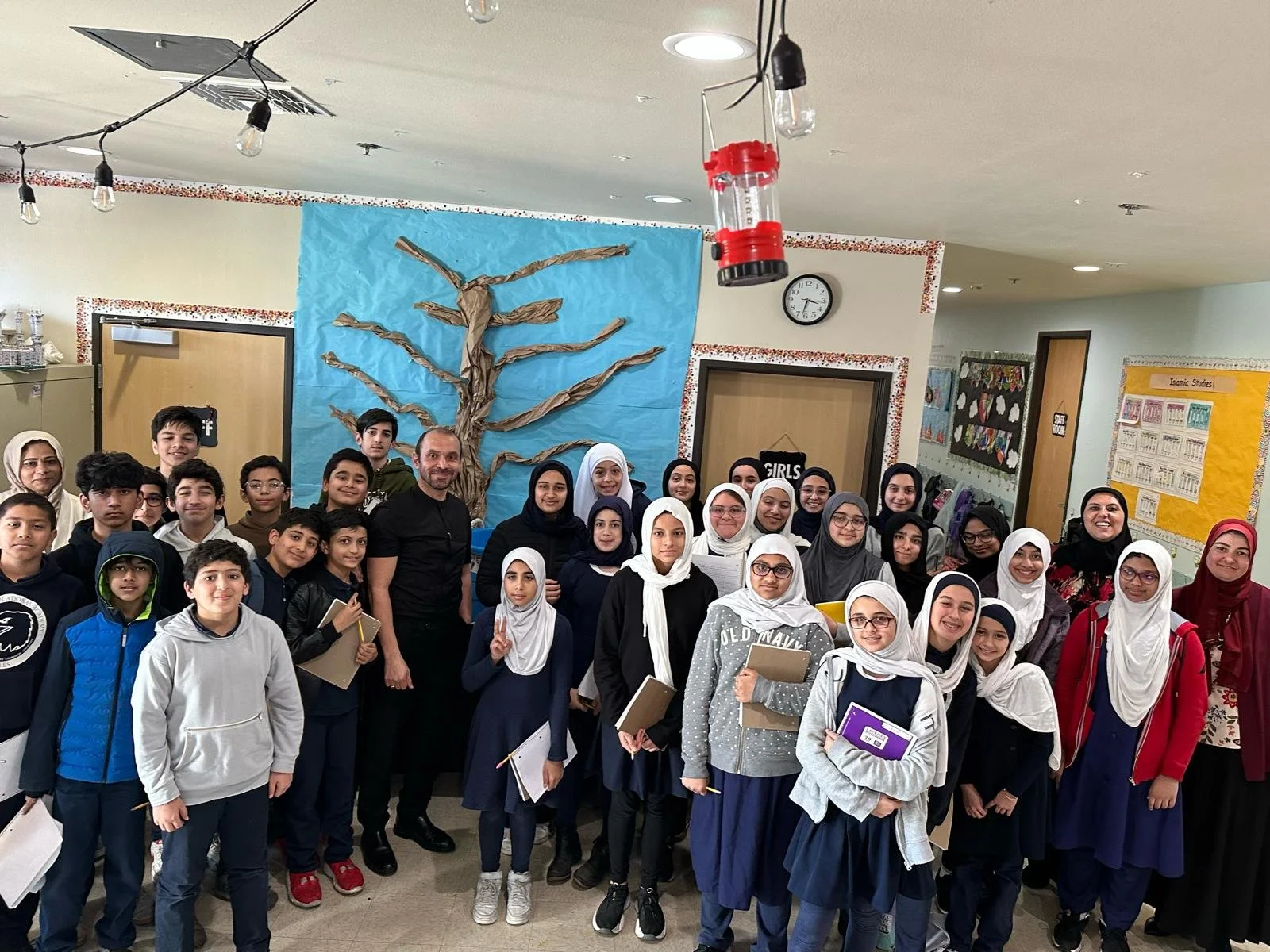
This workshop introduces parents and caregivers to the rights of children in Islam, based on the Quran, Sunnah, and Dr. Salah Sultan’s “60 Practical Advice on the Rights of Children upon Their Parents.” It provides practical guidance for nurturing morally conscious, compassionate, and God-centered children while addressing contemporary challenges in family life.
Objectives:
The workshop helps participants understand the rights of children and parental responsibilities, explore each stage of child development, learn practical tools for ethical upbringing and fairness, and apply Islamic teachings to contemporary family challenges.
Phases:
The workshop covers six developmental phases, starting with preparation before marriage, continuing through pregnancy, early childhood (0–3), childhood to preteen (3–9), teenage years (12–18), and concluding with the transition into young adulthood (18–25), providing guidance for parents at each stage.
Audience:
Parents • Caregivers • Educators • Community leaders • Family program coordinators