

Research & Development
Suhbah Circles
What is a Research & Mentorship Suhbah Circle?
Under the guidance of Imam Sherif or dedicated mentor(s), the Research & Development Circles are an initiative to harness the talents and insights of our local community to create meaningful resources and publications for the Muslim community.
Through these circles, participants collaborate to develop toolkits, handbooks, presentations, and course content that address relevant questions and needs within our community.
This is a journey of ‘ilm and transformation—both spiritual and academic—designed to nurture deep learning, companionship, and purposeful contribution. Each participant has the opportunity to work alongside a mentor, engage with peers, and conduct guided research and study through structured milestones, expectations, and regular check-ins.
If you’re interested in joining or learning more about how to get involved, please fill out the contact form below. Together, we can build knowledge that benefits hearts, families, and communities.
Research & Mentorship Circle: the Journey
-

Submit Interest
Begin by completing a short Interest Form sharing your background, area of interest, and (optionally) your résumé. This helps us understand your goals and connection to Islamic learning and khidmah (service).
-

Meet & Assess
Our team will schedule a brief follow-up call or meeting with you to learn more about your learning journey, experience, and what kind of guidance or study you’re seeking.
-

Group Topic & Mentor Matching
Based on your background and goals, you may be matched with a mentor or directly with Dr. Imam Sherif to select a focus area, topic, or project for study and reflection. Most groups will require a minimum of 2 participants.
-

Join a Suhbah Learning Circle
You’ll join a small circle of peers who share similar interests, meeting monthly or biweekly (virtually or in-person) to study, reflect, and develop your chosen topic under guided mentorship - for a minimum of 5-10 weeks.
-

Grow, Research & Contribute
Participants commit an average of 2–5 hours per week for learning, reflection, research and project development—transforming insights into community resources such as presentations, booklets, or infographics that serve others.
Participants and students will also be invited to join suhbah gatherings, socials and spiritual engagements
Research Groups
-
A study of the Prophet’s character, qualities, and daily life—cultivating love, understanding, and practical embodiment of his example.
-
An exploration of the Prophet’s military leadership, ethics of war, strategy, and the principles of justice and mercy that guided every engagement.
-
Training in the rules of Qur’anic recitation, refining pronunciation, melody, and precision to recite the Book of Allah with beauty and correctness.
-
A foundational journey through Islamic law—its principles, rulings, and application—empowering students to understand how our faith shapes daily life.
-
A structured introduction to the disciplines behind Qur’anic revelation and Prophetic narrations: preservation, interpretation, authenticity, and methodology.
-
A study on presence, spiritual awareness, and inner calm through Qur’anic guidance and Prophetic practices of dhikr, reflection, and intentional living.
-
A chronological look at key events, civilizations, scholars, and turning points that shaped the Muslim world and our intellectual tradition.
-
Developing leadership grounded in prophetic ethics—fostering integrity, service, emotional intelligence, and community-centered decision-making.
-
A study group delving into Al-Ghazali’s 100 Questions About Islam, examining core questions of faith and practice with clarity, balance, and relevance.
-
Studying the ethical and spiritual rights children hold in Islam, with an emphasis on nurturing, protection, and the parental responsibilities that cultivate strong, faith-rooted families.
-
Exploring the unique spiritual, emotional, and cultural needs of Muslims, and how faith-centered counseling can guide individuals toward clarity, healing, and resilience.
-
A study of Islamic marriage focusing on its foundations, rights, and responsibilities, and how these principles cultivate harmony, mutual respect, and strong families.
-
An exploration of the inner and outer qualities that shape the believer’s character, guided by Imām al-Ghazālī’s timeless teachings.
-
A practical journey into the science of spiritual refinement—identifying diseases of the heart, nurturing sincerity, humility, gratitude, and presence with Allah. Grounded in Qur’an, Sunnah, and classical scholarship, this course offers tools for inner transformation and balanced living.
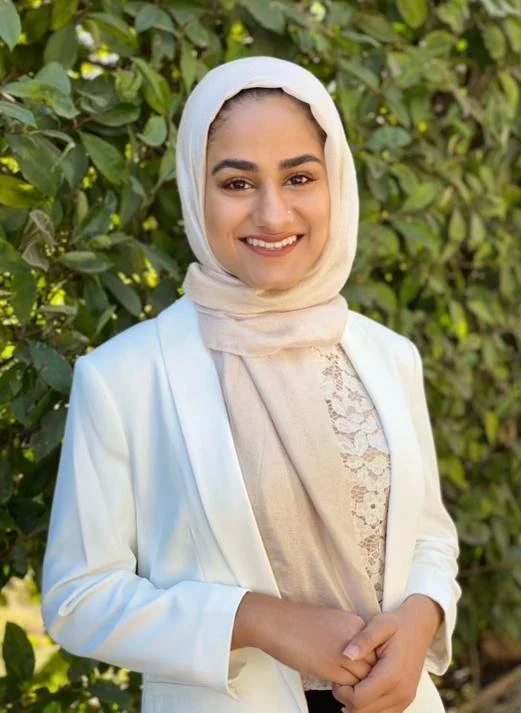
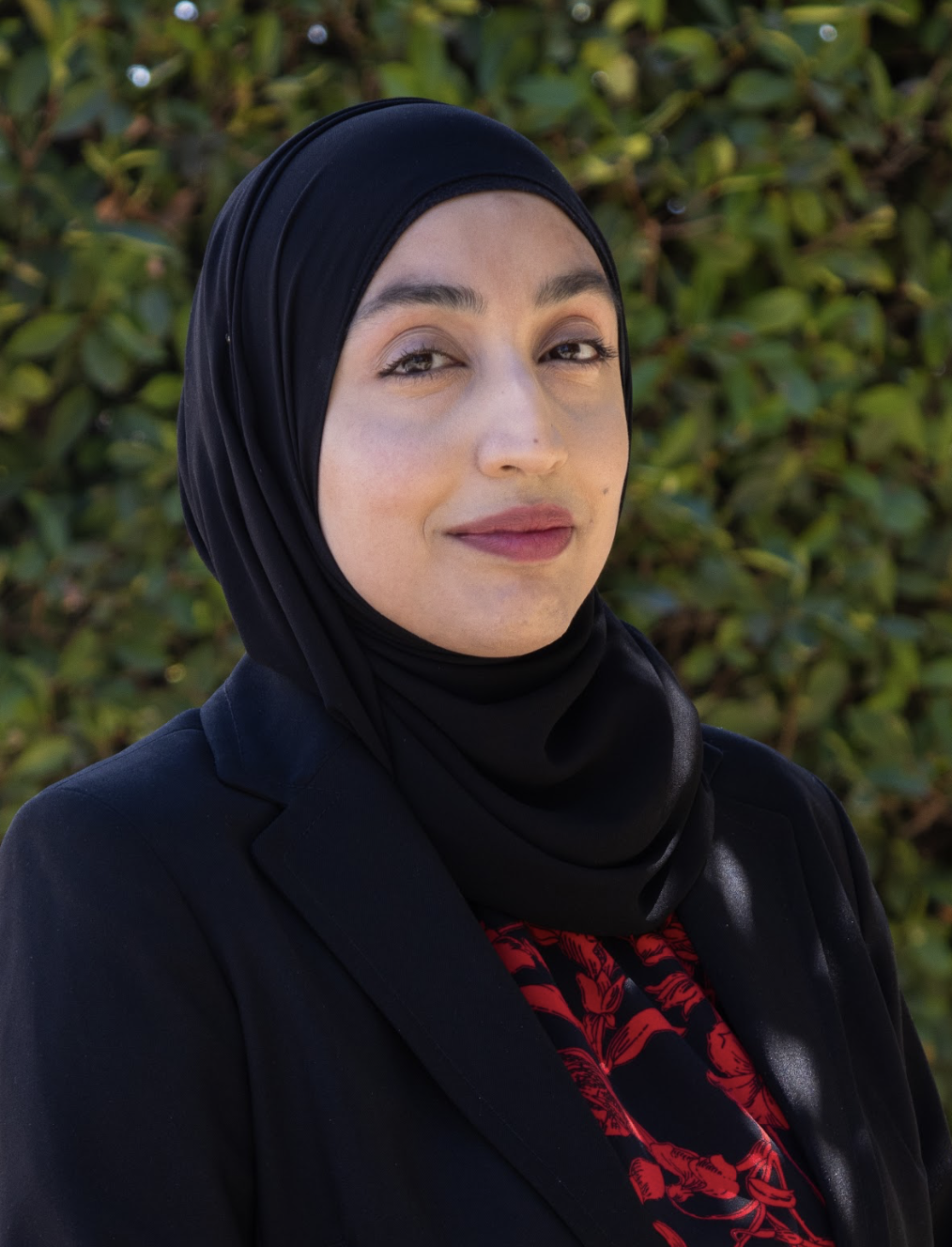
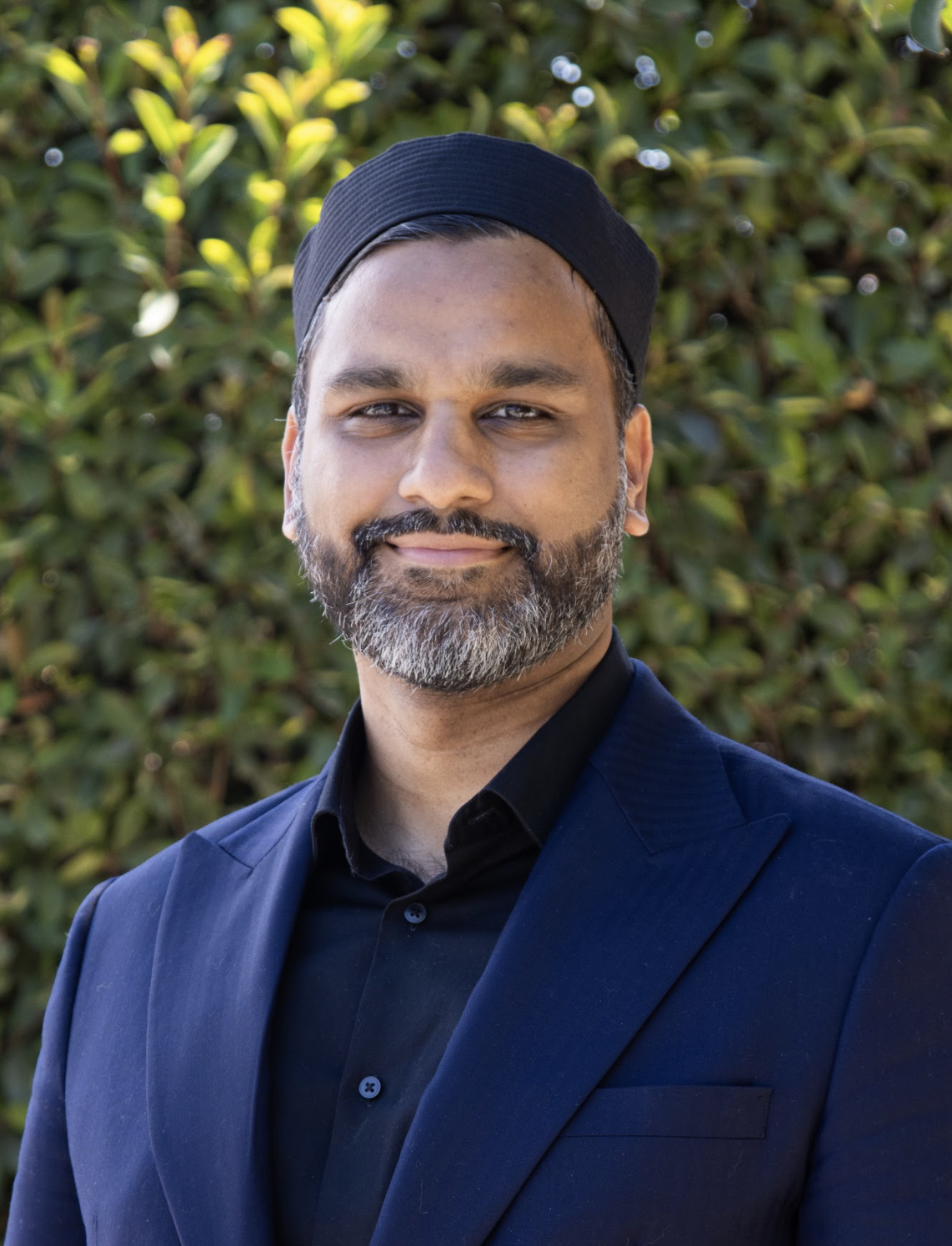
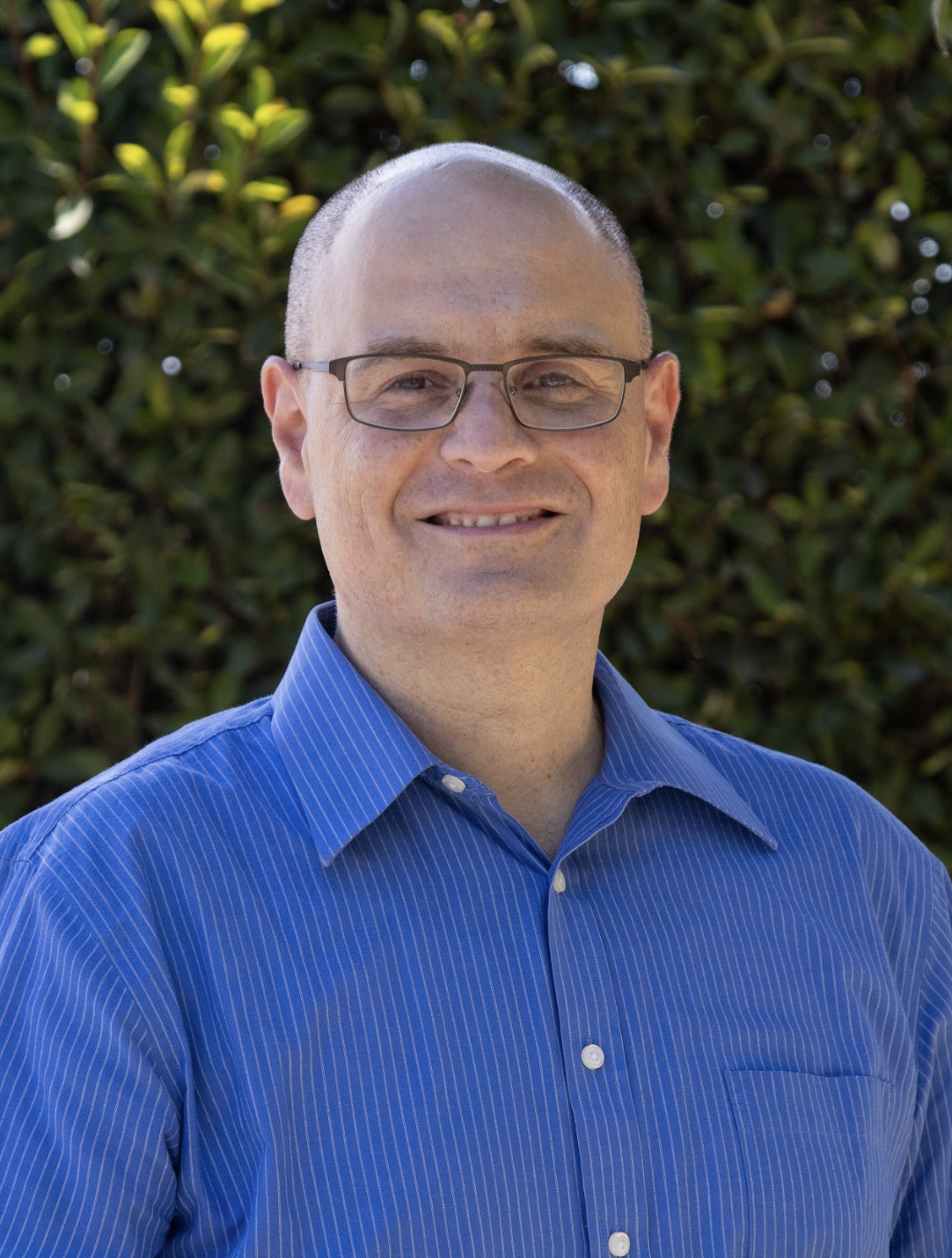
Researchers & Contributors
-
![]()
Arcelia Gonzalez
Medical student, mentee, student of Dr Imam Sherif, Fiqh Researcher
-
![]()
Jawad Habib
IT professional, Student, Mentee of Dr. Imam Sherif, Fiqh Researcher
-
![]()
Anoosh Ali
Final Year Law Student, Mentee of Dr. Imam Sherif
-
![]()
Navishta Shah
Mindfulness & Lifestyle Coach, Mindfulness in Islam researcher
-
![]()
Zubair Ali
Mindfulness Coach and Researcher
-
![]()
Abdelkader Darwich
Seerah Researcher and Co Instructor
-
![]()
Obaidah Ziya
Masters in Islamic Studies, Tajweed and Fish Co Instructor and Researcher
-
![]()
Magdolyn Kawas
Sales Coach, Community Halaqa Leader, Islamic History Researcher
-
![]()
Laila Baig
Leadership and Creed of Islam Researcher
-
![]()
Farzan Farzad
Marriage and Divorce Researcher
-
![]()
Mohammed Omer
Civil Engineer, Islamic History Researcher
-
![]()
Chloe Cornel
Mentee, Student of Dr. Imam Sherif, 100 Questions About Islam Researcher
-
![]()
Mercedes Lira
Mentee, Student of Dr. Imam Sherif, 100 Questions About Islam Researcher
-
![]()
Marwa Furmoli
Marriage and Divorce Researcher
-
![]()
Elizabeth Moreno
Counselor, Counseling for Muslims Co Instructor
-
![]()
Anees Kadir
Shamail of the Prophet Researcher
-
![]()
Maryam Albakri
Student, Mentee of Dr. Imam Sherif, Tarbiya Seminary Coordinator Volunteer, Akhlaq, Sciences of Hadith, Fiqh Researcher
-
![]()
Nader Kamal
Tazkiyaah Researcher





Student Experiences
Learning Islam with a mentor helped me connect more deeply to the faith. It made things clearer, more personal, and easier to apply in my daily life. Having someone guide me step by step has been much more impactful than learning on my own.
— Student
“Seeking knowledge without tazkiyah is misguidance, and spreading knowledge with tazkiyah is action.” This quote has been echoing in my thoughts, serving as a reminder that knowledge alone is not enough—it must be accompanied by sincerity, purification of the heart, and genuine action
— Student
Learning Islam under a mentor has transformed not just my own understanding, but also the atmosphere in my home. Seeing my wife come closer to the Deen holding the Qur’an, reciting it with intention is something I deeply admire and value. It reminds me that this path benefits not just the individual, but the entire family
— Student
Small group learning has allowed for a more personal connection with the material being studied.
— Student