This Ramadan 2026, Suhbah Ṭayyibah invites you into spaces of ʿilm, companionship, and service—accessible both online and in person, and mindful of your daily rhythm. Prepare well, be present, and deepen your Ramadan.
Stay Spiritually Engaged & Connected

Daily Ramadan Video Series
30 days. 30 verses. This Ramadan, journey into a living Quran - verses revealed in response to the lives of the Sahabah, comforting them in hardship, guiding them in change, and correcting them in mercy.
YouTube | Instagram | Website Video Page

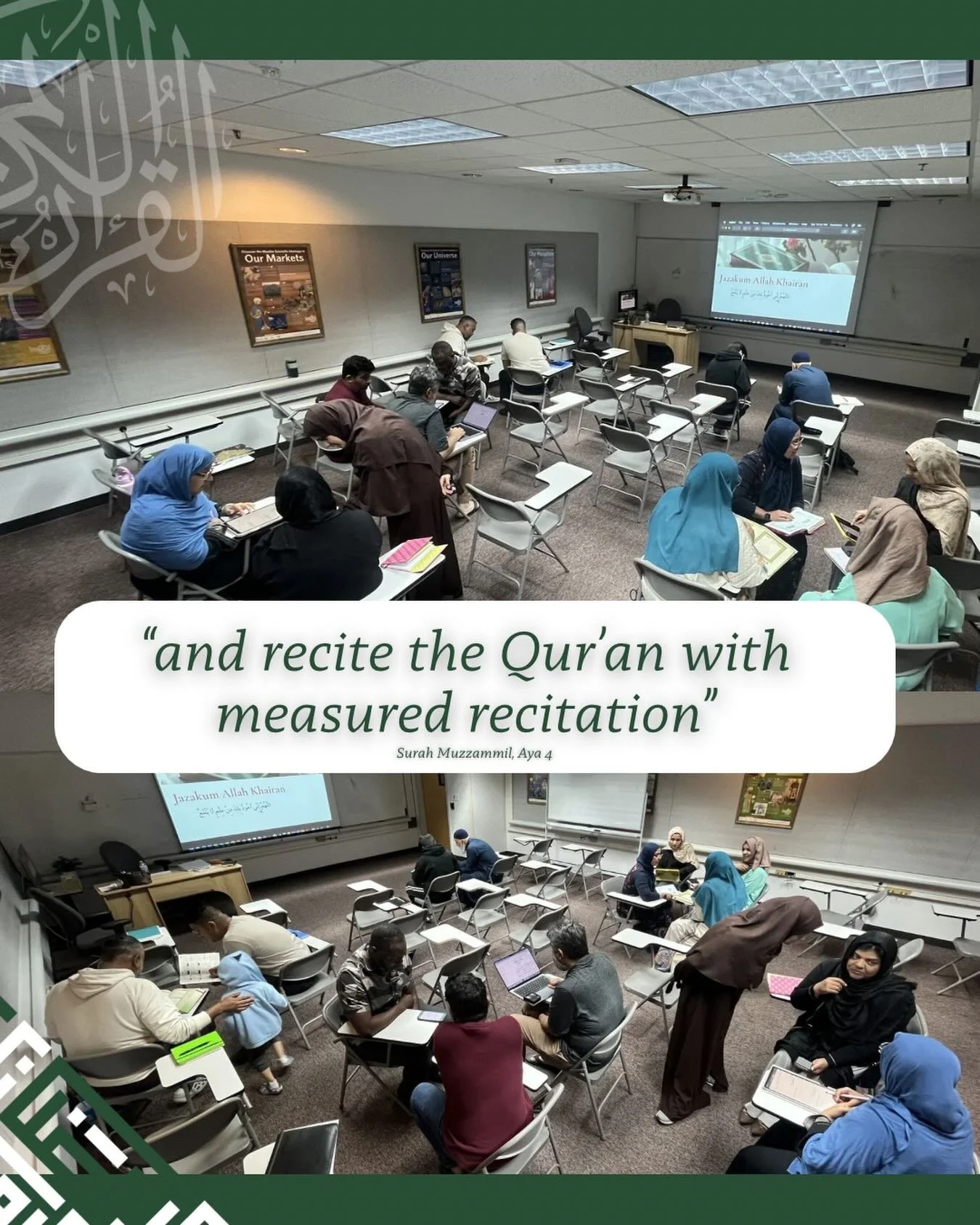
Daily Virtual Quran Readings
Stay on track to complete reading the entire Quran this ramadan. Each day Imam Sherif will be reading from the end of each Juz to help everyone complete the entire Quran together this Ramadan
4 PM | Every Night of Ramadan
Ramadan Q&A
Ramadan 2026
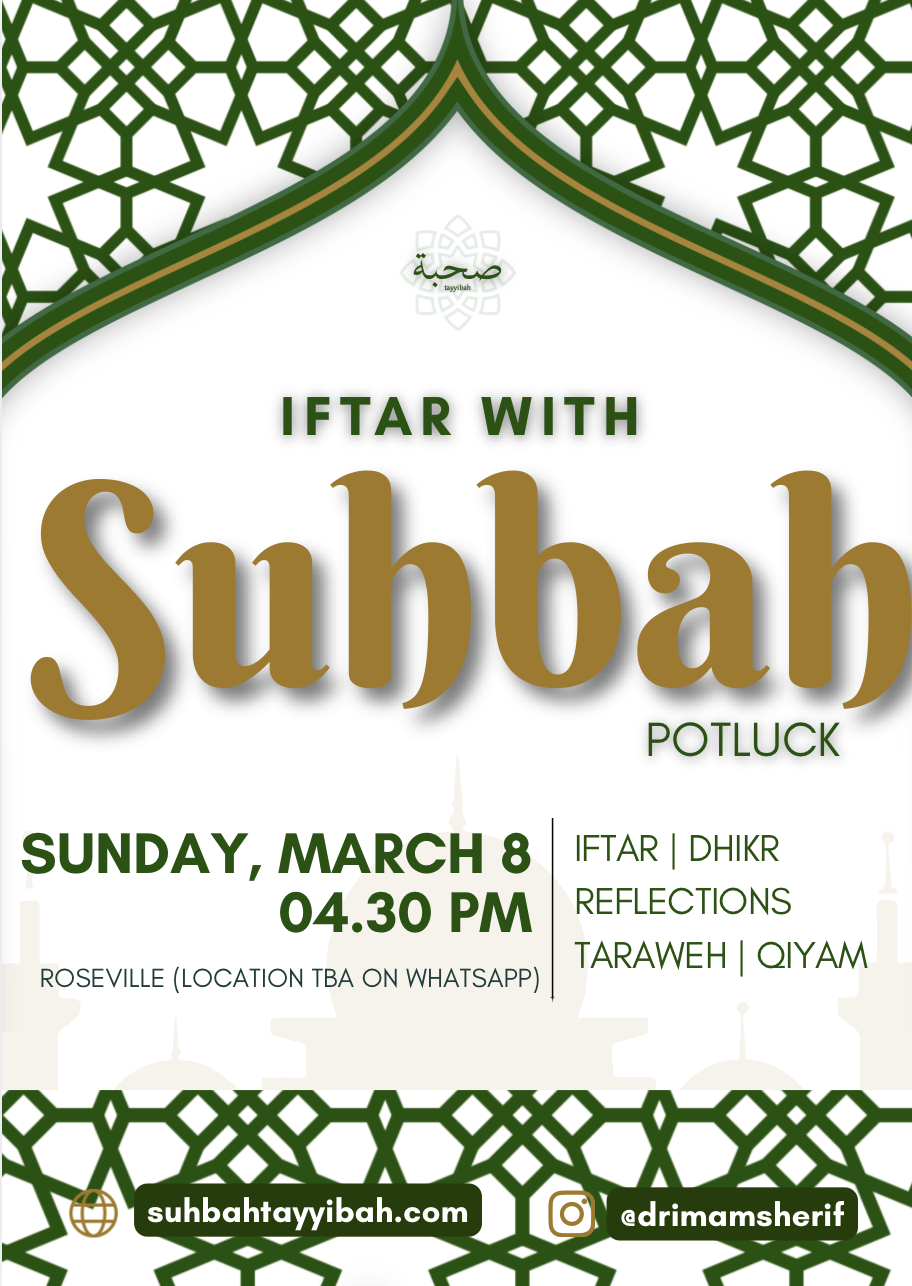
Ramadan Suhbah Iftar
Join us for an evening of spiritual retreat with the suhbah members as we break bread together, engage in dhikr, prayer and connection.
*Must be in Suhbah WhatsApp Community to Receive Location.
-
If a person misses some fasts in Ramadan, it is allowed to delay making them up. However, most scholars say those missed days should be completed before the next Ramadan begins.
They refer to the report of Aisha (RA), who said she would make up her missed fasts in the month of Sha‘ban before the next Ramadan. This narration is found in Sahih al-Bukhari and Sahih Muslim.
According to the majority, if someone delays making up the missed fasts until the next Ramadan without a valid excuse, they must still make up those days and also feed one poor person for each missed day as compensation (fidya). This view is also reported from companions such as Ibn Abbas, Ibn Umar, and Abu Huraira (RA).
On the other hand, the Hanafi school and one opinion within the Hanbali school holds that making up missed fasts is not limited to a specific deadline. According to this view, even if the next Ramadan arrives before the missed fasts are made up, the person only needs to make up the days, and no fidya is required. They rely on the verse:
“…then an equal number of days [are to be made up]” (Surat Al-Baqarah 2:184).
In summary, most scholars require both making up the fasts and paying fidya if there was no valid excuse for the delay, while others say only making up the fasts is necessary.
والله أعلم
-
It is permissible for a menstruating woman to read the Quran simply by looking at the printed mushaf or at a phone screen or electronic mushaf, and to recite the words in her heart without pronouncing them with her tongue, and without physically touching the mushaf. As for touching the mushaf or reciting aloud with the tongue, it is preferable to act according to the view of the majority of jurists who hold that it is prohibited for a menstruating woman to recite the Quran or touch the mushaf so as to avoid scholarly disagreement, since avoiding disagreement is recommended. However, if she experiences hardship or difficulty and needs to read the Quran or touch the mushaf for memorization, teaching, work in instruction, or similar reasons, then it is permissible for her to read the Quran and touch the mushaf to the extent of necessity (using thick gloves or something), following the Maliki school of thought. There is no sin upon her in that case, nor any blame.
والله أعلم
-
Item description